Heart Sutra
A short Mahāyāna sūtra on the emptiness of all phenomena.

The Heart Sūtra is a popular sūtra in Mahāyāna Buddhism. In Sanskrit, the title Prajñāpāramitāhṛdaya translates as 'The Heart of the Perfection of Wisdom'. It is traditionally associated with the Bodhisattva Avalokiteśvara (commonly known in East Asian Buddhism as Guanyin), who is the interlocutor of the sūtra. The sūtra famously states, 'Form is emptiness (śūnyatā), emptiness is form.' It has been called 'the most frequently used and recited text in the entire Mahayana Buddhist tradition.'
- Type
- Buddhist scripture
- Tradition
- Mahāyāna Buddhism
- Title in Sanskrit
- Prajñāpāramitāhṛdaya
- Key figure
- Avalokiteśvara (Guanyin)
- Earliest extant dated text
- 661 CE stone stele
- Short version translator (popular)
- Xuanzang
- Classification
- Prajñāpāramitā canon, third period
Lore & Background
In the sūtra, Avalokiteśvara addresses Śaripūtra, explaining the fundamental emptiness (śūnyatā) of all phenomena, known through and as the five aggregates of human existence (skandhas): form, feeling, volitions, perceptions, and mind. Avalokiteśvara famously states, 'Form is Emptiness. Emptiness is Form', and declares the other skandhas to be equally empty—that is, dependently originated. Avalokiteśvara then goes through some of the most fundamental Buddhist teachings, such as the Four Noble Truths, and explains that in emptiness, none of these notions apply. This is interpreted according to the two truths doctrine as saying that teachings, while accurate descriptions of conventional truth, are mere statements about reality—they are not reality itself—and that they are therefore not applicable to the ultimate truth that is by definition beyond mental understanding.
Reader's Guide
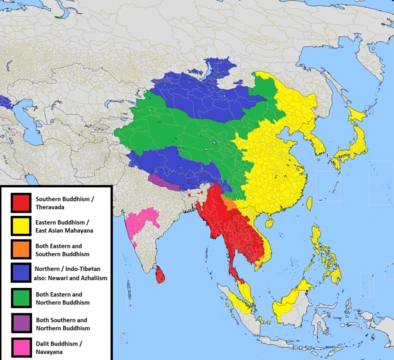
The Heart Sūtra is 'the single most commonly recited, copied, and studied scripture in East Asian Buddhism.' It is recited by adherents of Mahayana schools of Buddhism regardless of sectarian affiliation with the exception of Shin Buddhists and Nichiren Buddhists, apart from being recited by Yiguandao believers. The long version is extensively studied by the various Tibetan Buddhist schools, where the Heart Sūtra is chanted, but also treated as a tantric text. The text has been translated into many languages, and dozens of English translations and commentaries have been published. There are two main versions: a short version (Xuanzang's canonical text has 260 Chinese characters) and a long version that includes an introductory and concluding section. The earliest extant dated text is a stone stele from 661 CE. The origin of the sūtra is disputed by some modern scholars; Jan Nattier has argued that the text may be Chinese in origin, noting the absence of a Sanskrit version before the 8th century and the unusual central role of Avalokiteśvara.
Did You Know?
- The earliest extant dated text of the Heart Sūtra is a stone stele from 661 CE, part of the Fangshan Stone Sūtra.
- Xuanzang's version of the Heart Sūtra (T251) is the first extant version to use the title 'Heart Sūtra' (心經).
- The sūtra is classified by Edward Conze as belonging to the third of four periods in the development of the Prajñāpāramitā canon.
- A palm-leaf manuscript found at Hōryū-ji Temple is the earliest undated extant Sanskrit manuscript, dated to c. 7th–8th century CE.
More in Buddhist Traditions 1-21
Spotted an error? Know more?
This is a living reference — every entry is fact-audited, and reader corrections feed straight into our audit queue. Suggest an edit · See this site's audit record